Over thirteen years ago, Pastor Masereka Swizin felt a deep burden to care for the hurting children of his region after war left many without parents. With the help of his mother, he welcomed five orphans into her home and began what would become a lifelong calling. Having lost his own father due to a painful divorce between his parents at only three years old, he understands what it means to be fatherless.
In 2017, a friend in Kasese offered him a five-bedroom house to use for the orphans if he would maintain it. The small family grew steadily as more children found safety and love under his care. After serving in a local church for a year, Pastor Swizin felt led to plant his own ministry in Kasese. He began with open-air meetings in the heat of the Ugandan sun but God soon provided a building nearby where the growing Apostolic church could meet.
In 2019, he launched The Deborah Foundation in memory of his grandmother who had a lasting impact upon his life. Her work in caring for people in their community, especially children who had lost one or both parents, produced within him a burden for the fatherless and the helpless.
Today, he takes care of over forty children while continuing to serve across Kasese and surrounding villages. Pastor Swizin was once a farmer by trade but lost his farmland in 2025 when the landowner sold the property, interrupting his main source of income. Despite the hardship, he remains hopeful, and steadfast, trusting God daily to provide for those that have been placed under his care.
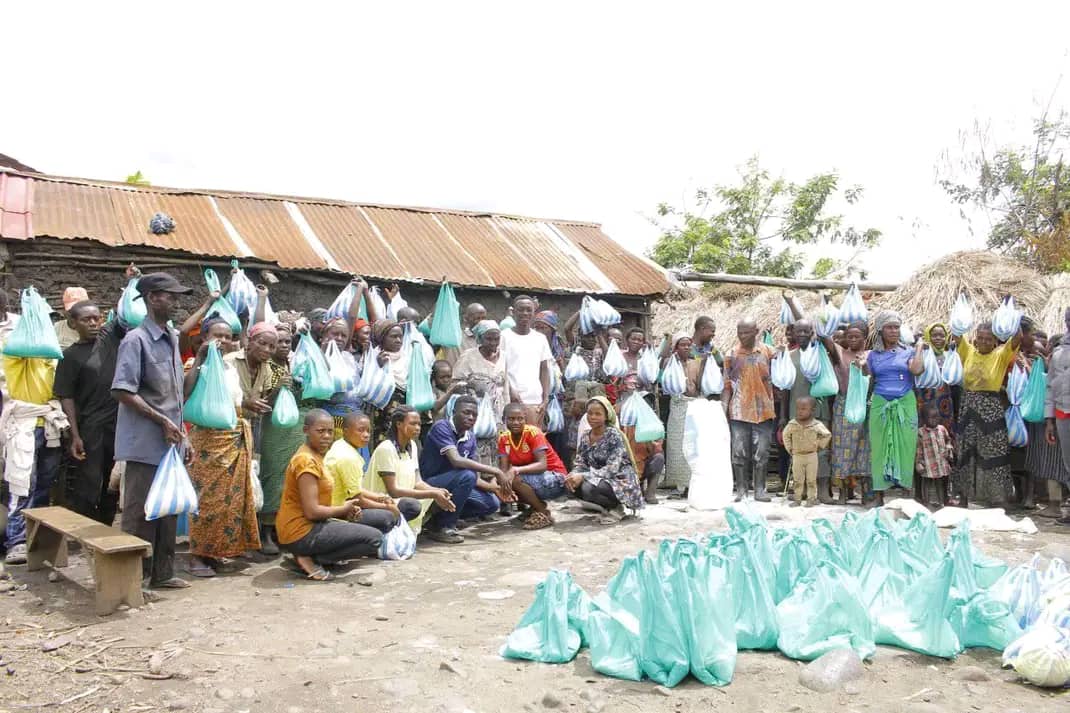
The Deborah Foundation is not a government-recognized organization. It was born out of compassion and a burden to meet real needs like those you see in the photo. Pastor Swizin and his team were moved by the hardships faced by their local people and responded with faith and action doing what they could with what they had to bring hope where it was needed most.
After connecting with our ministry at FFMI, we began helping Pastor Swizin and his team feed the children, provide medicine when needed, and purchase mattresses so each child could sleep more comfortably. Our support goes toward daily necessities, but our vision reaches further. With the help of generous donors like you, we aim to secure property where the orphanage can have stability and a better quality of life. Right now, resources are limited there isn’t always enough money to keep running water, supply consistent food, or cover medical needs but together, we can change that.
Give Us Our Daily Bread
In the video you will see the basic diet of the orphans that are cared for by Pastor Masereka. This food was donated by FFMI to the children. They cook their food on firewood and don’t have a stove at this time.
Fresh Water?
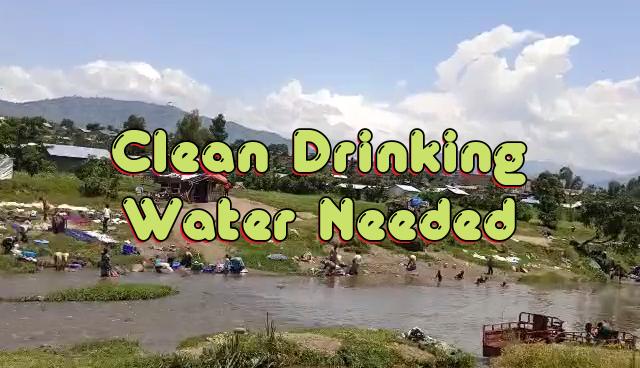
People in some areas have no running water, only the river. Most cannot afford to buy bottled water so they not only wash and bathe in the river, they are also forced to drink the water from it. Our goal is to dig wells for the communities.
Pastor Swizin’s Church
The Faith of the people is amazing. This is a growing church under the care of Pastor Swizin. He is very respected in his community. They have a nice building for church but need some upgrades.
In Kasese District, children under 18 make up a majority of the population. As of 2014, around 385,664 individuals (about 55–56% of the district population) were below 18 years. Uganda Bureau of Statistics
According to the 2014 census, approximately 4.9% of children aged 0–17 in Kasese District had lost one or both parents (i.e., were classified as orphans at that time). Uganda Bureau of Statistics
Given the large youth population (and issues like poverty, limited access to clean water, limited education and social support), many children are vulnerable to neglect, hardship, or exploitation, which makes the role of orphanages, ministries, and nonprofit support especially critical.
For More Information Click Here
We target regions where spiritual support and practical help are urgently needed. Every effort is guided by compassion, accountability, and long-term impact.
Our mission is simple: strengthen local believers, support vulnerable families, and equip leaders in places often overlooked. From clean water to discipleship training, we work to meet real needs with integrity.